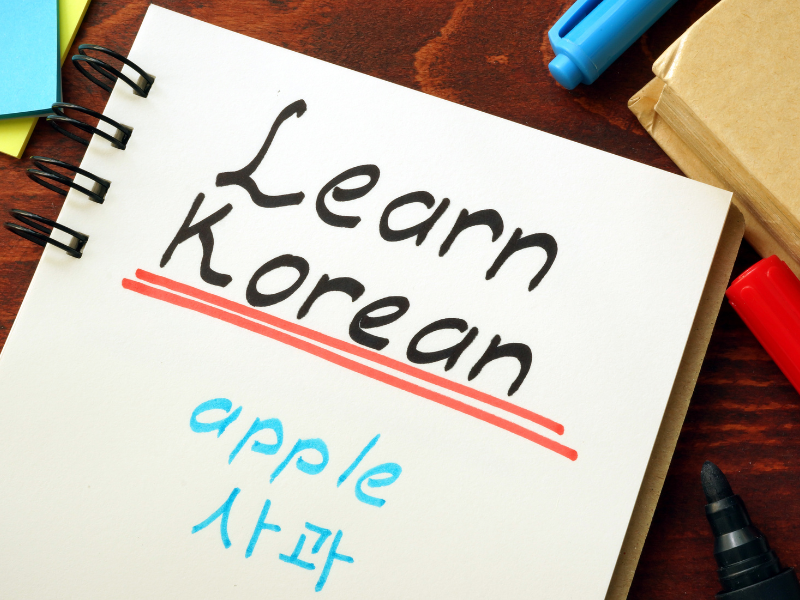
Korean is one of the most exciting languages to learn today. From K-pop and K-dramas to travel, work opportunities, and exploring Korean culture, 2026 is the perfect year to start your Korean journey. Learning Korean can feel challenging at first with Hangul, sentence structure, and levels of politeness but with a clear plan, steady practice, and the right guidance, it becomes achievable and fun.
Whether you’re starting from scratch or brushing up on previous knowledge, having a structured roadmap makes learning Korean easier and more motivating. This 2026 Korean learning plan breaks the year into four quarters, so you can see what to focus on and how to make consistent progress.
January – March: Lay the Foundations
The first quarter is all about building your base in reading, pronunciation, and practical Korean. A strong start sets the tone for the rest of the year.
1. Master Hangul
Hangul, the Korean alphabet, is one of the most logical writing systems in the world, making it easier to learn than many assume.
- Start with the 14 basic consonants and 10 vowels.
- Practice combining letters into syllables and simple words, like 안녕 (hello), 밥 (meal), 물 (water).
- Read aloud daily to strengthen pronunciation and confidence.
2. Learn Survival Korean
Focus on phrases and expressions you’ll actually use:
- Greetings and self-introduction: 안녕하세요, 제 이름은 …입니다.
- Ordering food and drinks: 커피 한 잔 주세요.
- Asking directions: …어디에 있어요?
3. Build Basic Grammar and Vocabulary
- Learn sentence structure (subject-object-verb).
- Understand basic particles (이/가, 은/는, 을/를).
- Practice simple verb conjugations in polite endings (-아요/-어요).
4. Listening Practice
- Watch beginner-friendly K-dramas, children’s shows, or YouTube content with subtitles.
- Repeat phrases aloud to get familiar with sentence rhythm and intonation.
By the end of March, your goal should be to read Hangul fluently, understand basic spoken Korean, and confidently speak simple sentences.

Quick Korean Test
Take a 5 mins quick test to find out where you Korean level is!

Book a trial lesson
Learn with us in London or Online, check out now!
April – June: Expand Skills and Practice Real-Life Korean
The second quarter focuses on expanding your vocabulary, grammar, and speaking skills, and starting to understand the cultural context behind the language.
1. Advance Grammar and Sentence Structure
- Learn past and future tense endings (-았어요/-었어요, -겠습니다).
- Practice expressing abilities, likes/dislikes, and intentions.
- Begin using casual speech appropriately with peers or friends.
2. Vocabulary in Context
- Expand topics to include hobbies, travel, shopping, and work situations.
- Combine words into useful phrases rather than isolated vocabulary.
3. Speaking and Conversation Practice
- Role-play real-life situations, such as ordering food, asking for directions, or talking about hobbies.
- Practice speaking daily — even 10–15 minutes improves confidence over time.
4. Cultural Insight
- Start noticing Korean social cues: bowing, using titles like 친구 (friend) or 선생님 (teacher), and polite expressions.
- Observe politeness differences between casual and formal speech.
By the end of June, learners should feel comfortable holding short conversations, understanding basic spoken Korean, and applying polite expressions appropriately.
Quick Korean Test
Take a 5 mins quick test to find out where you Korean level is!
July – September: Keep the Momentum
Summer is an ideal time for flexible learning, whether you travel, attend cultural events, or have a busier schedule. The focus here is maintaining momentum while you enjoy the summer.
1. Continue Reading and Writing Practice
- Read short articles, subtitles, menus, or social media posts in Korean.
- Keep practicing Hangul to reinforce recognition and speed.
2. Expand Listening and Speaking Skills
- Watch K-dramas, variety shows, or YouTube videos without subtitles and try to catch familiar words and expressions.
- Narrate your day in Korean aloud or to a friend, even using simple sentences.
3. Optional Hanja Introduction
- Start learning common Hanja (Chinese characters used in Korean) to understand roots of words and formal expressions.
- Focus on characters you encounter in newspapers, signs, or formal texts.
4. Cultural Immersion
- Attend Korean cultural events, try cooking traditional dishes, or learn about Korean festivals.
- Practice phrases associated with these cultural activities. Examples: 떡국 (New Year rice cake soup), 김치 만들기 (kimchi making), 설날 greetings.
5. Reflect and Adjust
- Review progress and identify areas needing improvement: pronunciation, grammar, or listening comprehension.
- Set realistic goals for the final quarter of the year.
Even during a busy summer, 10–20 minutes of daily practice keeps your skills alive and builds long-term consistency.
October – December: Consolidate and Level Up
The final quarter focuses on consolidating knowledge and increasing confidence in real-life situations. By now, you should comfortably read Hangul and understand daily Korean conversations.
1. Advanced Grammar and Expressions
- Learn connectors (-면서 = while, -지만 = although) and conditional forms (-면 = if).
- Practice combining phrases into longer sentences for storytelling or explanation.
2. Longer Conversations
- Discuss opinions, experiences, and plans with classmates or a language partner.
- Try role-playing professional, travel, or social scenarios.
3. Benchmark Your Progress with TOPIK
- The Test of Proficiency in Korean (TOPIK) provides a useful roadmap.
- Even without taking the exam, using TOPIK as a guide helps structure vocabulary, grammar, reading, and listening goals.
4. Cultural Integration
- Participate in Korean events or festivals.
- Practice describing activities or food in Korean.
- Watch K-dramas or variety shows and identify new expressions, idioms, and informal speech patterns.
By December, you should hold confident conversations, understand everyday spoken Korean, and feel ready to continue learning in 2027 with more advanced materials.
best London Korean School
Want to join a group class to learn with us in London or Online, find out more by booking a trial lesson.
Recommended Resources for Korean Self‑Learners
Whether you’re starting from zero or supplementing classroom learning, these resources can help you learn Korean effectively:
1. Korean Alphabet (Hangul)
- Talk To Me In Korean (TTMIK) — comprehensive lessons on Hangul and pronunciation
- How to Study Korean — detailed explanations and exercises
2. Grammar & Vocabulary
- TTMIK Grammar Lessons (Levels 1–4) — structured audio and text lessons
- KoreanClass101 — flexible lessons and vocabulary episodes
- Duolingo / Drops / LingoDeer — beginner‑friendly apps with gamified practice
3. Listening & Speaking Practice
- Naver Webtoon + Korean subtitles — read dialogue with audio
- K‑Drama & Variety Shows — practice listening with real spoken Korean
- HelloTalk / Tandem — language exchange with native speakers
4. Reading and Writing
- 90 Day Korean PDF Guides — step‑by‑step progression
- Anki / Quizlet — spaced repetition flashcards for vocabulary and sentence patterns
5. Structured Framework
- TOPIK official materials — use past papers and level guidance
- YouTube channels (Talk To Me In Korean, learnKorean) — free grammar and listening content
These resources help build grammar, reading, listening, and speaking skills, but they’re most effective when used consistently and in context.
A Language School Can Help You Stay on Track with Your Goals
Learning Korean on your own can be exciting, but it’s easy to lose momentum or get stuck on tricky grammar. That’s where a language school makes a real difference. At Dear Asia London, our Korean courses give you structured lessons, clear guidance, and achievable milestones so you always know what to study next and how to progress.
Beyond grammar and vocabulary, unlike self-learning, our courses provide real-time feedback from experienced teachers, helping you improve pronunciation, understand speech levels, and speak Korean from day one. You’ll also benefit from a supportive community of classmates, practicing conversations, sharing tips, and staying motivated together. Plus, we make learning Korean fun and culturally immersive. From exploring Korean festivals and traditions to hands-on crafting workshop, you’ll see the language come alive in real-world contexts. If you want to make learning Korean a real goal this year, joining a Korean course at Dear Asia London ensures you stay on track.
Book a korean course to start
Korean opens doors to culture, travel, friendships, and career opportunities. With a structured, quarterly plan, consistent practice, and expert guidance, 2026 can be the year you confidently speak, read, and understand Korean.
If you’re ready to learn Korean in London, our Korean language classes provide structured lessons, cultural insights, and real-life conversation practice. Our experienced teachers help learners at every level from beginners learning Hangul to intermediate students mastering polite and casual speech.
Join us in 2026 and start your journey into the Korean language and culture, it’s fun, practical, and rewarding!


